
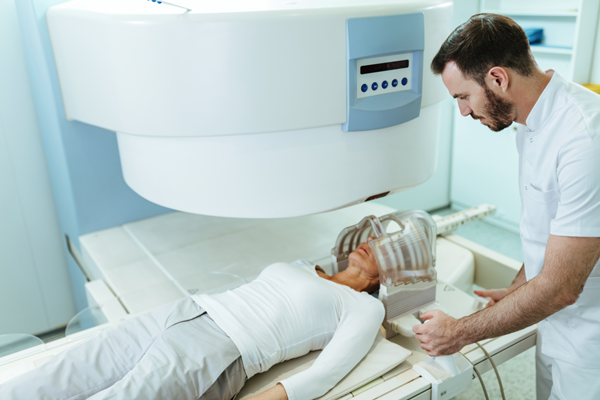
Image-Guided Radiation Therapy (IGRT) is one of the most advanced and precise forms of radiation treatment used in modern cancer care. It allows doctors to deliver radiation with exceptional accuracy by using real-time imaging during each session. Under the expertise of Dr. Sandeep Agarwal, IGRT is performed with a patient-focused approach, ensuring maximum effectiveness while minimizing damage to surrounding healthy tissues. This advanced technology has significantly improved treatment outcomes, reduced side effects, and enhanced the overall safety of radiation therapy for cancer patients.
Image-Guided Radiation Therapy (IGRT) is a highly specialized radiation technique that uses imaging technologies such as CT scans, X-rays, or cone-beam CT during treatment sessions. These images help in tracking the exact position of the tumor before and during radiation delivery. Since tumors can shift slightly due to breathing or body movement, IGRT ensures that radiation is precisely targeted at the tumor every time, increasing treatment accuracy and effectiveness.
IGRT is essential because it addresses one of the biggest challenges in radiation therapy—tumor movement and positioning. Without accurate imaging, there is a risk of missing the tumor or affecting nearby healthy tissues. IGRT helps in:
IGRT is used to treat a wide range of cancers, including tumors in the brain, lungs, prostate, head & neck, and abdomen. The treatment is non-invasive and painless, making it suitable for patients who require high precision radiation therapy. It is especially beneficial for tumors located near critical organs where accuracy is crucial. The treatment plan is customized based on the patient’s condition, type of cancer, and stage of the disease.
The IGRT procedure begins with detailed imaging and treatment planning to identify the exact size, shape, and location of the tumor. During each session:
Each session is quick, comfortable, and closely monitored to ensure optimal results.
Dr. Sandeep Agarwal is a highly experienced radiation oncologist known for delivering advanced cancer treatments with precision and care. His expertise in IGRT ensures that patients receive the most accurate and effective therapy available. With over two decades of experience, he focuses on personalized treatment planning, modern technology, and compassionate patient care. His leadership in top hospitals and commitment to excellence make him a trusted choice for cancer treatment. Patients benefit from his deep clinical knowledge, advanced techniques, and a holistic approach to recovery.
1. Is IGRT a painful procedure?
No, IGRT is completely painless. The procedure is non-invasive, and patients usually feel no discomfort during radiation delivery.
2. How long does each IGRT session take?
Each session typically lasts 15–30 minutes, including setup and imaging time, while the actual radiation delivery takes only a few minutes.
3. Are there any side effects of IGRT?
Side effects are minimal compared to traditional radiation therapy, as IGRT precisely targets the tumor and spares healthy tissues.
4. How many sessions are required for IGRT?
The number of sessions depends on the type and stage of cancer, usually ranging from a few sessions to several weeks of treatment.
5. Is IGRT suitable for all cancer patients?
IGRT is suitable for many types of cancers, especially those requiring high precision, but the final decision depends on the doctor’s evaluation.



Write a Reply or Comment